
Falls prevention is occupational therapy: seeing risk, recovery and everyday life as one

Falls are often discussed as isolated incidents: a slip, a trip, a momentary loss of balance. For occupational therapists, however, a fall is better understood as a breakdown in the relationship between the person, the environment and the occupation they are trying to perform. That distinction matters. It moves practice beyond simply identifying hazards or advising someone to “be careful”, towards understanding why a particular activity, in a particular place, at a particular time, has become unsafe - and what will enable the person to continue doing it.
Falls are not an inevitable or “normal” part of ageing. They are multifactorial events, usually shaped by an interaction of intrinsic and extrinsic factors. Muscle weakness, altered gait, reduced balance, visual impairment, dizziness, cognitive change, long-term conditions and medication may combine with poor lighting, unsuitable flooring, clutter, steps, thresholds, furniture layout or adverse weather. A useful assessment therefore asks not only, “What caused the fall?” but also, “What was the person doing, what mattered about that activity, and what features of the context increased or reduced risk?”
This is where occupational therapy brings distinctive value. Activity analysis can reveal demands that a generic checklist misses: the hurried turn prompted by urinary urgency; the need to carry an item while using the stairs; the night-time route to the bathroom; the transfer technique that changes when fatigue is high; or the pair of slippers worn because the recommended shoes are difficult to fasten. Biomechanics, habits, cognition, sensory processing, confidence and the physical environment all influence performance. Observing occupation in context allows intervention to be precise rather than precautionary.
Comprehensive falls assessment should reflect this complexity. Current guidance highlights falls history, gait and balance, sensory impairment, medication, frailty, long-term conditions, environmental hazards and the person’s ability to get up independently. Occupational therapists should combine these indicators with the individual’s priorities, routines and tolerance of risk. Engagement in occupation is inherently risky; eliminating every risk can also eliminate autonomy, identity and participation. The goal is not a hazard-free life, but proportionate risk management that enables people to do what matters as safely and confidently as possible.
Environmental intervention is most effective when it is tailored. In the home, this may involve improving lighting and contrast, addressing loose or reflective flooring, changing furniture placement, reducing difficult thresholds, providing secure support points or reconsidering the sequence and layout of a task. Bathrooms deserve particular attention because wet surfaces, temperature changes, restricted space, transfers and urgent routines can converge. Yet even here, prescribing an item is not the intervention in itself. The OT must consider dimensions, reach, strength, transfer direction, installation, cognition, carer involvement and whether the solution fits the person’s real routine.
Equipment and assistive technology can promote stability, independence and carer safety, but only when explored through clinical reasoning. Trying equipment, comparing options and understanding how design features affect performance can sharpen an OT’s judgement. The exhibition at The Occupational Therapy Show offers an unusual opportunity to handle and test a wide range of equipment in one place, ask detailed questions and consider how different solutions might work across varied homes and occupations. This exploration should never replace assessment or critical appraisal. It can, however, expand the practitioner’s repertoire, reveal options they may not encounter locally and support more informed, person-specific recommendations. The 2026 exhibitor list can help visitors plan these conversations in advance.
Prevention is only half of good falls practice. Every person at risk also needs a recovery strategy. Remaining on the floor for 10 to 59 minutes is considered a delayed initial recovery; more than 60 minutes is commonly described as a long lie. The consequences can include skin damage, hypothermia, dehydration, pneumonia and rhabdomyolysis, alongside anxiety and loss of confidence. A plan should therefore address how the person will summon help, whether they can use a practised floor-recovery technique, what support a carer can safely provide and whether telecare or wellbeing monitoring has a role.
The psychological aftermath deserves equal attention. Fear of falling can lead to reduced movement, social withdrawal and occupational deprivation, creating a cycle in which deconditioning increases future risk. Post-fall intervention should not end once injuries have been treated or hazards removed. Graded re-engagement in meaningful activity, opportunities to rebuild confidence and a shared understanding of manageable risk are central to recovery. Success may mean returning to the garden, resuming a shower routine, visiting friends or preparing a meal - outcomes that matter because they restore agency, not merely because they reduce a score.
No single profession can address every contributor. Medication review, vision assessment, strength and balance work, continence support, podiatry, medical investigation and social care may all be required. Occupational therapists are well placed to connect these strands around everyday life and to communicate how each factor affects participation. They can also help families and carers distinguish supportive strategies from unnecessary restriction, while ensuring recommendations are defensible, lawful and grounded in the person’s rights.
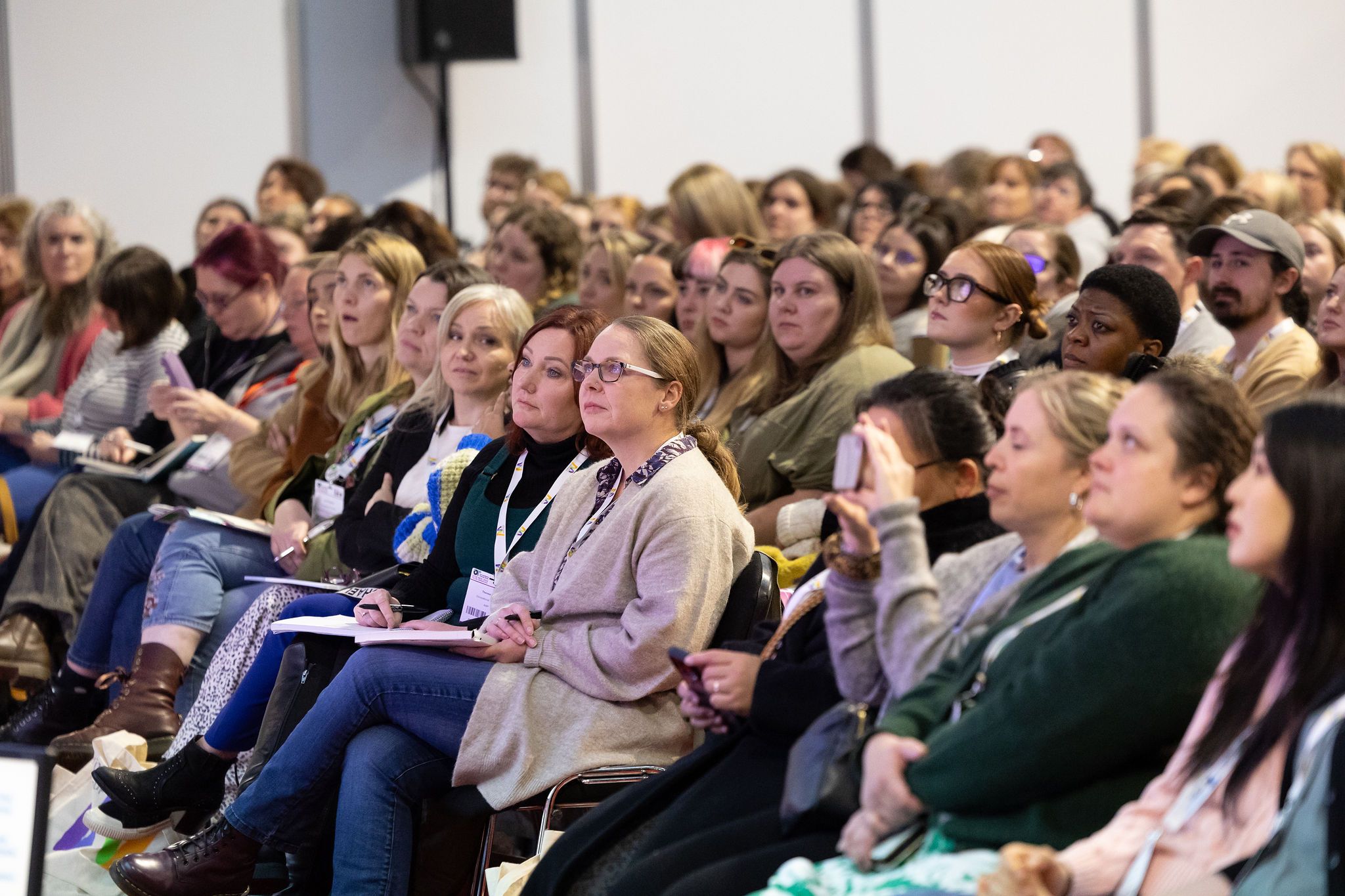
Continuing professional development helps turn these principles into confident practice. The 2026 conference programme includes a dedicated housing, equipment and adaptations stream alongside sessions on accessible design, safer bathroom routines, technology-enabled care, moving and handling, and creating homes that enable participation. These topics invite OTs to examine the clinical reasoning behind apparently small decisions and to learn from case studies across services. Combining formal education with purposeful exploration of the exhibition can make the visit especially valuable: hear the evidence, question assumptions, examine possible solutions and reflect on how learning will change assessment or intervention back at work.
Effective falls practice is not about wrapping people in caution. It is about noticing the full interaction between capacity, environment and occupation; acting on modifiable risks; planning for recovery; and protecting the person’s confidence and right to participate. When occupational therapists hold prevention and recovery together, they can help ensure that a fall does not become the point at which someone’s world begins to shrink.