
A profession in transition: a discussion with Adam Ferry and Agnes Jacobs

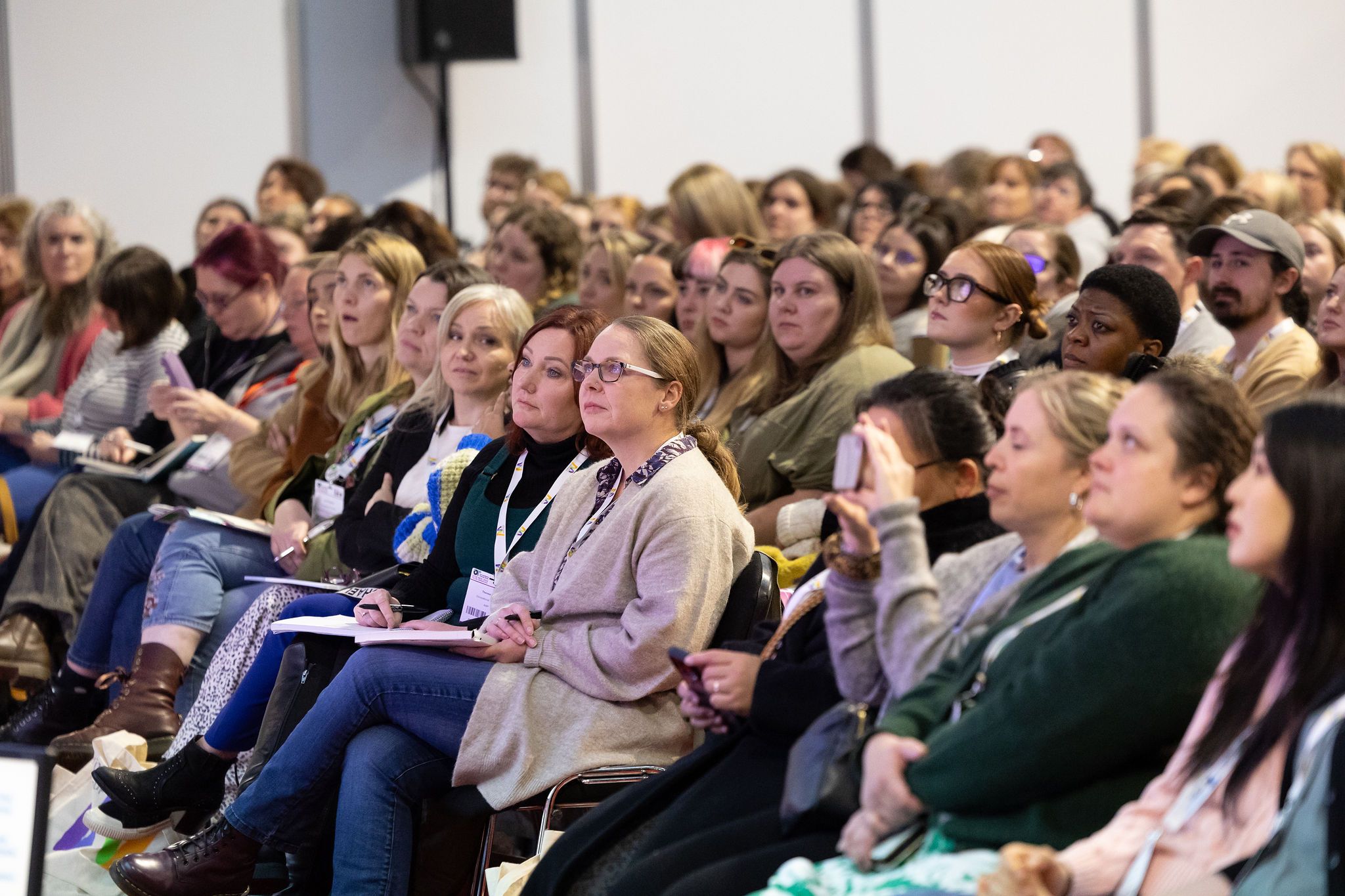
Ahead of this year’s Occupational Therapy Show, Adam Ferry and Agnes Jacobs (the people behind the programme) discuss how the profession has changed since the show first started, and how those changes are reflected in the programme.
One of the great challenges – and joys - of creating the show is trying to reflect the sheer breadth of occupational therapy. From clinical practice and housing to mental health, case management, sustainability, technology and independent practice, the profession reaches into almost every aspect of people’s lives.
For Adam, that breadth is one of the defining features of the Occupational Therapy Show.
“Everybody is practising occupational therapy in different places,” he says. “There is something for everyone, whether it reinforces the core skills and values of the profession or focuses on a specific area of practice.”
Over the years, the show has evolved alongside the profession. Areas that might once have been described as ‘contemporary practice’ have become established, normal practice, while occupational therapists are increasingly working in industry, independent practice, case management and senior leadership roles.
That shift is reflected in both the programme and exhibition. Alongside clinical sessions, this year’s show includes content on case management, sustainability, housing, leadership and the practical realities of working across different sectors.
The role of technology has also developed since the show began. The experience of the pandemic accelerated the use of virtual tools and changed how products, adaptations and services can be demonstrated. And as resources become tighter, occupational therapists are increasingly required to articulate not only what they recommend, but why it matters and what difference it will make.
Agnes believes the changes are not only about how occupational therapy is practiced and how it is viewed from the outside. It is also about how the profession sees itself.
“There’s a lot of change going on around government policy, with the introduction of neighbourhoods, and a potential shift towards a National Care Service just some of the changes that could impact the way services are delivered,” she says. “It’s about asking what role occupational therapists can play in those conversations and encouraging people to think more broadly about what is within their remit.”
That might mean engaging with policy, contributing to strategic discussions, developing a business case or considering opportunities outside traditional occupational therapy roles.
For Adam, the profession’s growing visibility at strategic and national level is also important. Seeing occupational therapists working in senior leadership, policy and representative roles can help others recognise the possibilities available to them.
In this spirit, delegates should look beyond the session titles when planning their time at the show.
Adam’s advice is to consider the learning outcomes, even when a session appears to sit outside your usual area of work. An occupational therapist working in housing may find useful ideas in a mental health session, while someone working in neurorehabilitation may benefit from a presentation on menopause, workplace wellbeing or care planning.
Sessions may be focused on particular clinical or professional areas, but themes will have wider relevance. Occupational therapists often work with people whose needs do not fit neatly into one service or diagnosis. Understanding the wider context can therefore help practitioners make better decisions, even when they are not specialists in that particular field.
“Occupational therapists don’t need to be experts in everything,” he says. “They need to be expert in occupational therapy.”
The exhibition provides another way to apply that broader perspective. Delegates can attend a session, reflect on an issue and then speak to suppliers or manufacturers about how a particular approach might work in practice. That could involve exploring equipment, adaptations, digital systems or practical resources for supporting clients.
Among the areas Adam is particularly looking forward to are the CMSUK content, the sessions on sustainability and housing, and discussions focused on care optimisation and risk assessment. Agnes is looking forward to the fireside chat between Sir Norman Lamb and Keir Harding, which will consider mental health services, and the difficult questions around how people are supported.
For Agnes, the most important part of attending the show comes after the event.
“It doesn’t need to stop when we’ve closed the doors on day two,” she says. “The aim is that people take something away with them to do differently when they return to work.”
The value of the show, then, is not simply in the number of sessions attended or certificates collected. It is in the reflection that follows, and in how delegates use what they have learned in their own practice.
The Occupational Therapy Show takes place at the NEC Birmingham on 25-26 November 2026.