


Mobility Scheme: Finding the right vehicle: understanding the options available
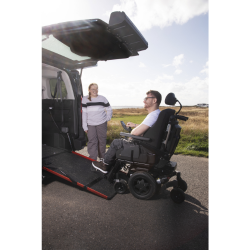
Choosing the right vehicle can make a significant difference to an individual's independence, mobility and quality of life. However, with such a wide variety of vehicle types and configurations available, understanding the options and how they might meet different needs is an important starting point.
For Occupational Therapists, having an awareness of the different vehicle categories can help inform conversations with clients and support them in exploring solutions that best suit their individual circumstances.
There are five main categories of conventional vehicles to consider, each offering different advantages:
- Hatchbacks: Compact, economical and easy to manoeuvre, making them a practical choice for everyday journeys and urban driving.
- SUVs: Offering a higher driving position, generous interior space and, in many cases, easier access, SUVs can be an attractive option for those prioritising comfort and visibility.
- Estates: With extended boot space and flexible seating arrangements, estates can be particularly useful for individuals who need additional room for luggage, mobility equipment or everyday essentials.
- MPVs (Multi-Purpose Vehicles): Designed with space and flexibility in mind, MPVs typically offer additional seating, adaptable interiors and, in some models, sliding doors that can make getting in and out more straightforward.
- Saloons: Often associated with a smoother, quieter ride and greater comfort on longer journeys, saloons may suit individuals who prioritise driving comfort and refinement.
Beyond these categories, there are also wheelchair accessible vehicles (WAVs), specialist vehicle adaptations and other mobility solutions that can help address more specific access, transfer and transportation requirements.
Of course, the most suitable option will depend on the individual. Factors such as mobility, posture, seating requirements, transfer ability, the need to transport mobility equipment and the practicalities of everyday life can all influence the decision.
As OTs, being familiar with the range of possibilities can help open up conversations and ensure clients are aware of the options worth exploring.
Come and talk to us at Stand F33 at the Occupational Therapy Show. We'd be delighted to discuss the different vehicle options available, answer your questions and help you explore the possibilities for your clients.