
20 Nov 2026
Graded Kitchen Sessions: Enhancing Cultural Humility and Creative Ability
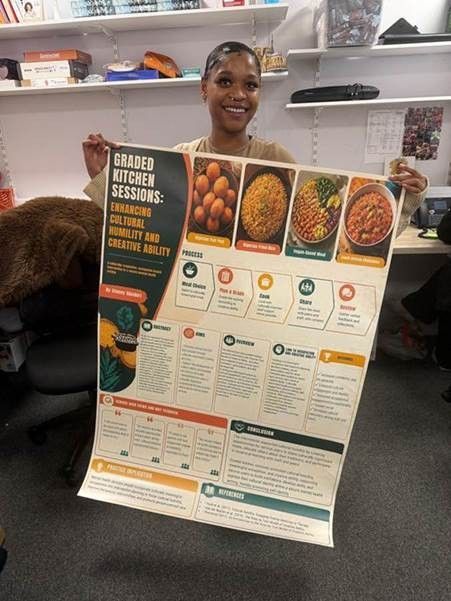
Using graded kitchen sessions, Cygnet Occupational Therapists helped service users develop independence, cultural awareness and confidence, using food preparation as a meaningful, person-centred therapeutic activity.
What
Happens When Cooking Becomes More Than a Practical Task?
Within secure mental health services, cooking can
offer far more than opportunities to develop daily living skills. It can
provide a meaningful way for individuals to express identity, exercise choice,
build relationships, and engage in occupations that matter to them.
As a Specialist Occupational Therapist and Multicultural Ambassador, I developed a series of graded kitchen sessions combining culturally meaningful cooking activities with occupational therapy principles. The aim was to promote cultural humility, support the development of creative ability, and demonstrate the value of culturally responsive practice within secure mental health settings.
Rather than focusing solely on meal preparation, cooking became a therapeutic occupation through which service users could develop skills, make decisions, and share aspects of their identity.
Using the Vona du Toit Model of Creative Ability
The intervention was informed by the Vona du Toit Model of Creative Ability (VdTMoCA), which emphasises the relationship between motivation and action. Activities were graded to ensure participation remained achievable while providing an appropriate level of challenge.
Recipe complexity, levels of prompting, decision-making demands, and task sequencing were adapted to meet individual needs. Some service users focused on selecting ingredients and completing simple preparation tasks, while others progressed to planning meals, working independently, and solving problems throughout the cooking process.
Throughout the sessions, cultural sharing was always invited rather than expected, recognising that culture is personal and individual.
Cooking as a Therapeutic Occupation
Cooking provided a purposeful activity with a tangible outcome while incorporating cognitive, social, emotional, sensory, and practical skills. Sessions involved choosing meaningful meals, planning ingredients, completing graded cooking tasks, and reflecting on achievements.
One service user chose to prepare a traditional Caribbean meal that held personal significance. Initially, they required support with identifying ingredients, maintaining attention, and sequencing tasks. Through graded support, they gained confidence and became increasingly independent.
Reflecting on the experience, they shared:
"I love being in touch with my Caribbean roots. Cooking food from my culture helped me feel connected to who I am and gave me something positive to share with others."
The completed meal provided an opportunity to share an aspect of their identity with peers and staff, promoting a sense of achievement, belonging, and contribution.
Cultural Humility in Practice
Cultural humility involves ongoing self-reflection and a willingness to learn from the experiences of others. Within the kitchen sessions, staff approached conversations about culture with curiosity rather than assumption.
In a secure setting, where opportunities for cultural expression may be limited, meaningful occupations such as cooking can help individuals maintain connections to their values, traditions, and sense of self. The sessions also strengthened therapeutic relationships by valuing lived experience alongside professional expertise.
Outcomes and Learning
Service users reported increased confidence, greater engagement in meaningful activity, enhanced social participation, and opportunities to express their identity. The intervention also supported the development of planning, communication, sequencing, and problem-solving skills.
Staff reported greater confidence in discussing culture and an increased awareness of the diverse experiences represented within the service. Feedback highlighted the importance of choice, flexible grading, and meaningful participation.
Conclusion
These graded kitchen sessions demonstrate how occupational therapists can integrate culturally responsive practice with the principles of VdTMoCA. By using cooking as a meaningful occupation, service users were supported to develop practical skills, strengthen participation, express their identity, and engage in recovery-focused activity.
The project highlights the important role occupational therapy plays in creating inclusive environments where culture, occupation, and recovery intersect to support wellbeing and personal growth.
References
Hook, J.N., Davis, D.E., Owen, J., Worthington, E.L. and Utsey, S.O. (2013) Cultural humility: Measuring openness to culturally diverse clients. Journal of Counselling Psychology, 60(3), pp.353-366.
Sherwood, P. (2011) The Model of Creative Ability: Principles and Practice.
Van der Reyden, D., Joubert, R. and Sherwood, P. (2019) Publications relating to creative ability and occupational therapy.